Specialty Coffee Roasters on the Costa Del Sol

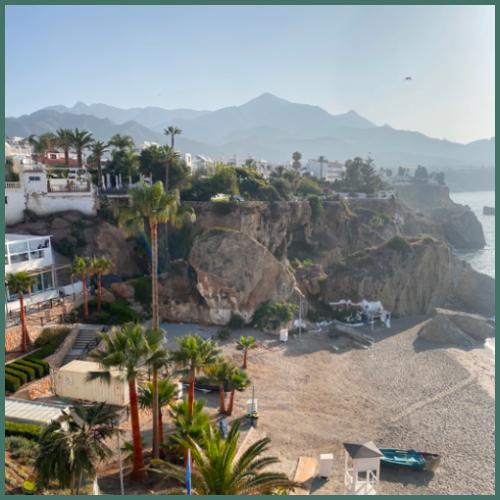
A photo of Playa Calahonda beach taken from the Balcon de Europa in Nerja Malaga.

The Costa del Sol has become a growing destination for quality food and drink, and specialty coffee is no exception. From ethically sourced green beans to carefully developed roast profiles, specialty coffee focuses on flavor, transparency, and craftsmanship.

As specialty coffee roasters on the Costa del Sol, we work with traceable origins, roast in small batches, and prioritize quality at every stage — from sourcing to the cup. This guide explains what specialty coffee is, how it is roasted, and what to look for when choosing exceptional coffee in southern Spain.

What is Specialty Coffee

Specialty coffee is not a marketing term. It is a measurable quality standard.

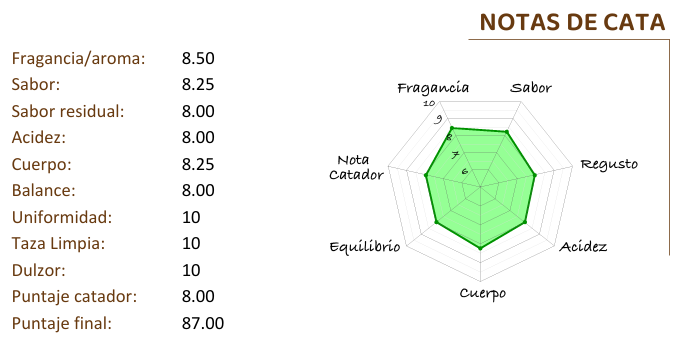
According to the Specialty Coffee Association (SCA), specialty coffee must score 80 points or higher on a 100-point cupping scale. That score evaluates:

  • Aroma

  • Flavor clarity

  • Acidity balance

  • Body

  • Aftertaste

  • Absence of defects

Only 100% Arabica coffee beans can qualify, and they must be traceable to specific regions, farms, or cooperatives.

Image of SCA Coffee Scorecard for Ethiopian Guji Coffee

How Specialty Coffee is Sourced and Graded

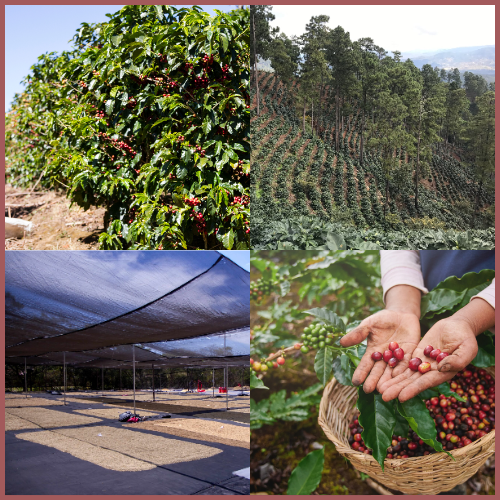
A collection of four pictures of coffee trees, a coffee plantation, fresh picked ripe coffee cherries and a coffee bean drying station

The journey of specialty coffee begins at the farm. Beans are carefully selected from regions known for ideal growing conditions, including specific altitudes, soil types, and climates. Farmers often use sustainable and organic methods to cultivate their crops. After harvesting, the beans undergo grading and cupping processes, where trained specialists evaluate aroma, flavor, and defects to ensure only the best make it to the roaster.

The Roasting Process: From Green Bean to Cup

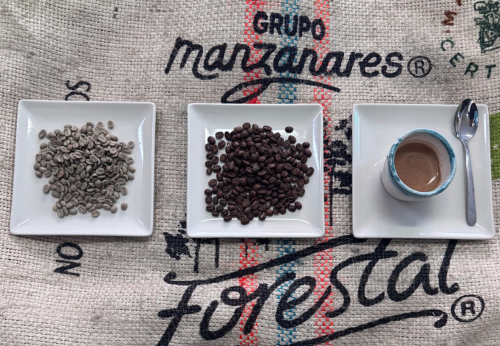
Roasting transforms green coffee beans into the flavorful coffee we love. Specialty coffee roasting requires precision and expertise, balancing time, temperature, and bean characteristics to unlock complex flavors. Light roasts highlight origin notes, while medium and dark roasts emphasize body and richness. The goal is a consistent, high-quality roast that brings out the bean’s unique profile.

Green coffee beans and freshly roasted coffee beans and a double espresso in a cup on white plates on a coffee sack.

Specialty Coffee Vs Commercial Coffee

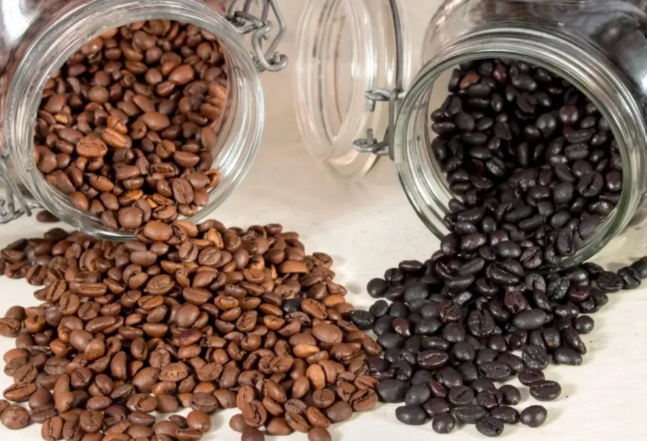
roasted-arabica-and-torrefacto-coffee-beans-in-two-glass-jars

Unlike commercial coffee, which often prioritizes quantity over quality, specialty coffee focuses on excellence at every stage. Commercial coffee may be mass-produced, blended from lower-quality beans, and roasted to uniformity, resulting in muted flavor. Specialty coffee, by contrast, is traceable, meticulously sourced, and roasted to showcase its unique characteristics.

Choosing a Special Coffee Roaster on the Costa Del Sol

When selecting a specialty coffee roaster, consider quality, transparency, and expertise. Look for roasters who:

  • Source beans ethically and sustainably

  • Roast in small batches for consistency

  • Share information about origin and flavor notes

  • Offer freshly roasted beans for optimal taste

A great specialty coffee roaster will guide you to beans and brewing methods that suit your preferences and elevate your daily coffee experience.

An animation of a coffee roaster, coffee sack, a person deciding their coffee and coffee cup and a green earth in between to hands

Why Origin Matters and our approach to Specialty Coffee Roasting

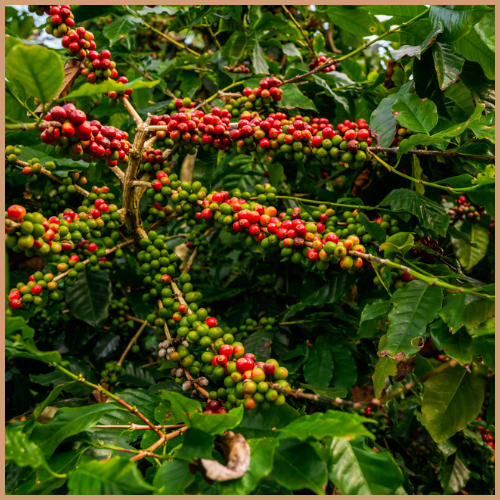
Ripe red coffee beans hanging on a branch

At our roastery on the Costa del Sol, we combine traditional roasting techniques with modern expertise. Every batch is carefully monitored to highlight the natural characteristics of each bean. We emphasize sustainability, supporting farmers and ethical sourcing practices. Our mission is simple: to deliver the freshest, most flavorful coffee to every cup while telling the story of its journey from farm to table.